Box Office
01543 412121
Find Event by Title
80s Live
80s Mania
90s Live
A Bunch of Amateurs - Lichfield Players
A Vision of Elvis
ABC - An Intimate Evening with Martin Fry
Albert Nobbs - Lichfield Players
Alfie Moore: A Face For Radio
An Evening with Anton Du Beke
An Evening with Aston Villa Legends
An Evening with Sir Geoff Hurst
An Evening with Trevor & Gary
An Evening Without Kate Bush
Arrival: The Hits of ABBA
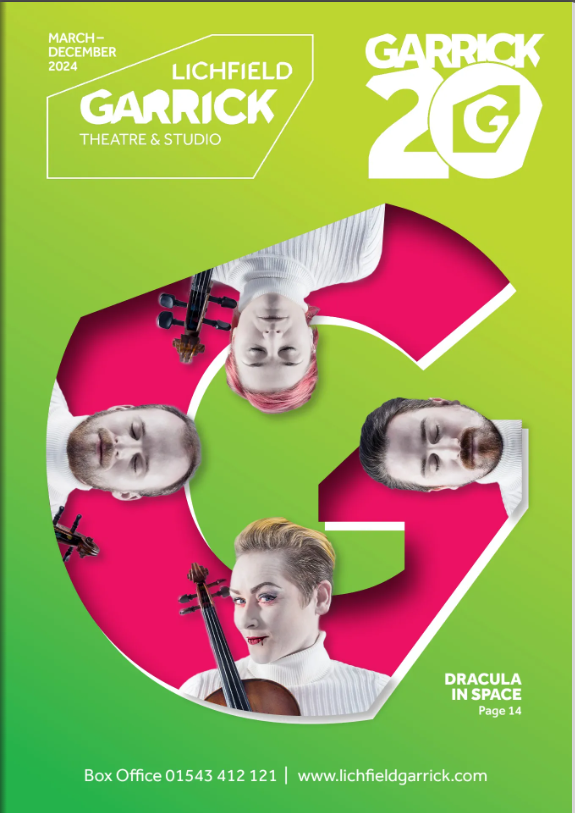
Bowjangles in Dracula in Space
Burntwood Afternoon Cinema - Wicked Little Letters
Bye Bye Baby
Calendar Girls (Lichfield Operatic Society)
Calling Planet Earth
Chicago - Lichfield Musical Youth Theatre
Claire Martin & Ray Gelato's 'A Swinging Affair'
Coming To England
Daniel O'Reilly: Out of Character
Dear Zoo
Dinosaur World Live
Dr Louise Newson: Hormones & Menopause - The Great Debate
Drama Teens presents The Trouble with Teens
Emma Kenny - The Serial Killer Next Door
Ezio
Fairytale of New York
Frankenstein
Frankenstein (On A Budget)
Guided Backstage Tours
Houdini's Greatest Escape
Ignite School Festival - Primary & Secondary
Into The Shadows
Jack & The Beanstalk (2024 Pantomime)
Jenny Ryan: Out Of The Box
Jo Caulfield - Here Comes Trouble!
Jordan Adams: One Night Only
Kerry Ellis - Queen of the West End
Kinky Boots - Sutton Coldfield Musical Theatre Company
Lichfield Arts Introducing
Lost In Music - One Night At The Disco
Macbeth: Ralph Fiennes & Indira Varma (Live Recording)
Manford's Comedy Club
Masters of Deception
Message In A Bottle (Live Recording)
Miles Jupp: On I Bang
Mozart's The Magic Flute
Murder for Two
Musicals: The Ultimate Live Band Sing-Along
Northern Live
NTLive - Nye (Live Recording)
Oklahoma! (Presented by Brownhills Musical Theatre Company)
Omid Djalili: Namaste
P*ssed Up Panto - Jack & The Beanstalk
Pretty Vacant
Queenz: Drag Me to the Disco!
Radio GaGa
Rat Pack Live
Royal Ballet: Swan Lake (Live Screening)
Royal Ballet: The Winter's Tale (Live Screening)
Royal Opera: Andrea Chenier (Live Screening)
Royal Opera: Carmen (Live Recording)
Sam Rabone's Big Bostin' Variety Show (Autumn 2024)
Sh!t-faced Shakespeare – A Midsummer Night's Dream
Sister Act - Walsall Operatic Society
Solve-Along-A-Murder-She-Wrote
SSC Performance - The Tempest
Swinging at the Cotton Club
Talon - The Best of Eagles
That'll Be The Day
The Bon Jovi Experience
The City of Lichfield Concert Band presents an Afternoon of Musical Hits from the West End
The Drifters
The Glam Rock Show (formerly Get It On)
The Greatest Magician
The Gruffalo
The Importance of Being... Earnest?
The Magic of Motown
The Massive Tragedy of Madame Bovary
The McCartney Songbook
The Olive Boy
The Opposite Sex - Lichfield Players
The Pillowman - Different Animal Theatre Company
The Rocket Man - A Tribute to Sir Elton John
The Searchers
The Tiger Who Came To Tea
The UK Rock Show 2024
The Upbeat Beatles
Top Hat Spoken Word Open Mic
UB40 - The Legacy
Walk Right Back